Get our weekly roundup of smart savings tips.


The 5 prescription drugs most often eligible for free or low-cost programs
Five common prescription drug categories that qualify for free or low-cost manufacturer assistance programs. How to apply and what to expect.
The 5 prescription drugs most often eligible for free or low-cost programs
Manufacturer patient assistance programs cover dozens of common medications, but five categories show up over and over. Here's where to look and what the real out-of-pocket cost can drop to.
Nobody hands you a pamphlet about manufacturer patient assistance when you pick up a prescription. Pharmacies don't push them. Most doctors don't mention them. And the drug companies that run them bury the application forms three clicks deep on their websites.
That's a shame, because the savings are huge. For some medications, qualifying for a patient assistance program drops the price from $400 a month to zero. Not a discount. Zero.
Here are the five categories of drugs where these programs come up the most often, with a starting point for each.
1. Diabetes medications, especially insulin and GLP-1 drugs
This is the biggest category by enrollment. Insulin alone runs hundreds of dollars a vial without coverage, and the newer GLP-1 drugs like Ozempic, Wegovy, and Mounjaro can hit $1,000 a month at the pharmacy counter.
Every major manufacturer has an assistance program. Novo Nordisk runs NovoCare for insulin and Ozempic. Eli Lilly runs the Lilly Cares Foundation for insulin and Mounjaro. Sanofi has the Sanofi Patient Connection.
Income limits are higher than most people expect. Lilly Cares covers single adults earning up to roughly $60,000 a year and households of two earning up to about $80,000. If you qualify, the medication is free.
2. Blood thinners and anticoagulants
Eliquis and Xarelto are two of the most prescribed maintenance drugs in the country, and they're also among the most expensive. Without insurance, you're looking at $500-plus a month for either one.
BMS, the maker of Eliquis, runs an assistance program through the BMS Patient Assistance Foundation. Janssen runs JanssenCarePath for Xarelto. Both have income thresholds in the $50,000 to $80,000 range for individuals, with higher thresholds for households.
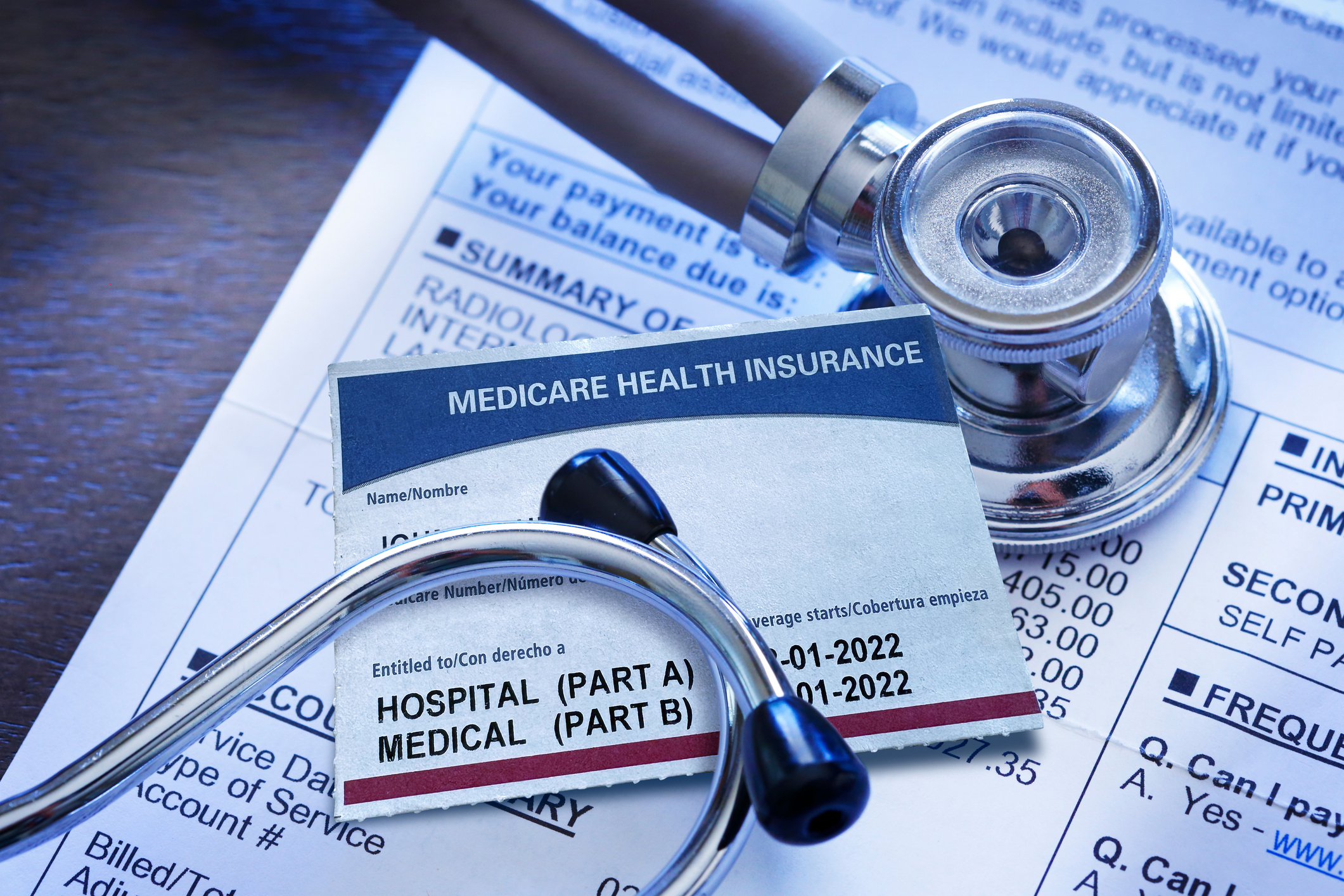
Worth knowing: if you're on Medicare, you may not qualify for these specific programs because Medicare beneficiaries are often routed to separate foundations like the Patient Access Network or HealthWell Foundation. Same idea, different door.
3. Inhalers for asthma and COPD
Advair, Symbicort, Trelegy, Breo, and the rest of the inhaler family all run $300 to $500 a month without coverage. Manufacturer programs cover most of them.
GSK runs the GSK Patient Assistance Program for Advair, Breo, and Trelegy. AstraZeneca covers Symbicort through AZ&Me. Boehringer Ingelheim covers Spiriva and Combivent through BI Cares.
One useful trick: even if you don't qualify for the free program, almost all of these manufacturers offer copay coupons that drop your monthly cost to $10 or $25 if you have commercial insurance. The coupons are not for Medicare patients, but the assistance program is.
4. Cholesterol medications (specifically PCSK9 inhibitors)
Generic statins like atorvastatin and simvastatin are already cheap. The expensive ones are the newer injectable cholesterol drugs: Repatha, Praluent, and Leqvio. List prices on those run $500 to $700 a month.
Amgen covers Repatha through the Amgen Safety Net Foundation. Sanofi/Regeneron cover Praluent. Novartis runs the Leqvio assistance program.
Doctors don't always volunteer these options because the prescription often gets filled before insurance pushback happens. Ask the question explicitly. Say: "If my insurance denies this, what's the manufacturer's patient assistance program?"
5. Mental health medications
Antidepressants and antipsychotics are where this gets quietly important. Brand-name versions of Latuda, Vraylar, Trintellix, and Rexulti can run several hundred dollars a month. The generic versions of Lexapro, Zoloft, and Wellbutrin are cheap, but the newer drugs aren't.
Sumitomo Pharma covers Latuda. AbbVie runs the myAbbVie Assist program for Vraylar and Rexulti. Takeda covers Trintellix.
Mental health prescriptions are particularly hard to walk away from cold turkey, so the savings here matter more than just dollars. If you're on one of these and the cost is squeezing the rest of your budget, the assistance is worth the application paperwork.
How to actually apply
The applications are all similar. You provide proof of income (last year's tax return is usually enough), proof of residency, and a prescription from your doctor. The drug company sends the medication to your doctor's office or directly to you.
The single most useful website is NeedyMeds.org. It's a nonprofit that catalogs every patient assistance program in the country and links to the applications. The other useful one is RxAssist.org. Both are free.
If you don't qualify based on income, the manufacturer copay coupons are the next stop. Almost every brand-name drug has one. The pharmacy won't tell you. The doctor won't tell you. The website will.
What to do next
Make a list of every prescription you currently take. Beside each one, write the monthly out-of-pocket cost. Total it up. Anything over $50 a month is worth a 15-minute look on NeedyMeds.org or the manufacturer's website.
If you find a program you qualify for, the next step is your doctor's office. They have to sign part of the application. Most offices have a staff person whose job is exactly this. Ask for the patient assistance coordinator.
Sources
1. NeedyMeds, Database of Patient Assistance Programs. needymeds.org
2. U.S. Centers for Medicare & Medicaid Services, Extra Help with Medicare Prescription Drug Plan Costs. medicare.gov/basics/costs/help
3. Partnership for Prescription Assistance, drug company programs directory. pparx.org

Get our weekly roundup of smart savings tips.