Get our weekly roundup of smart savings tips.



How to spot a scam phone call before it costs you
How to recognize and stop scam phone calls before they cost you money. The 6 most common 2026 scams and exactly how to respond.
How to spot a scam phone call before it costs you
Phone scams cost Americans over 10 billion dollars a year, and adults over 60 are the most-targeted group. Six warning signs tell you it's a scam in under 30 seconds. Here's how to recognize them.
Phone scams have evolved. The Nigerian prince emails of the 2000s gave way to slicker, more convincing operations. In 2026, scam calls increasingly use AI-cloned voices, spoofed caller IDs, and scripted social engineering that can sound like a real bank, government agency, or family member.
The FBI's Internet Crime Complaint Center reports that adults 60 and older lost over $3.4 billion to phone, internet, and text scams in 2023, with the largest growth in convincing impersonation scams.1 The numbers continue to climb each year.
The good news: every scam follows a recognizable pattern. Once you know the patterns, you can hang up in under a minute.
The six universal red flags
Every legitimate scam shares some combination of these. If you hear more than one, it's a scam. Hang up.
1. Urgency
"You must pay this within 24 hours." "Your benefits will be suspended today." "There's a warrant out for your arrest." Real organizations don't operate this way. The IRS sends mail first. Medicare sends mail first. Real companies give you days or weeks to handle disputed charges.
2. Unusual payment methods
Gift cards. Wire transfers. Cryptocurrency. Cash apps. No legitimate organization, ever, asks for payment by these methods. If anyone on a phone call mentions buying gift cards or sending Bitcoin, it's 100 percent a scam. Not 90 percent. Not 99 percent. Always.
3. Threats
"You'll be arrested." "Your house will be seized." "Your benefits will be cut off." Government agencies don't threaten by phone. Real consequences come through legal documents and certified mail, not from a stranger demanding immediate payment.
4. Requests for sensitive info
Social Security number, full credit card number, bank account number, online passwords. No real organization calls and asks for these unprompted. If you didn't initiate the call, never give this information.
5. Asking you to keep it secret
"Don't tell your son." "Don't discuss this with anyone." Real organizations don't ask for secrecy. The secrecy is to prevent you from getting a second opinion that would expose the scam.
6. Caller asking you to verify info they should already have
"Can you confirm your Medicare number?" "What's the last four digits of your Social Security?" Real agencies have this info. If they're asking you to verify it, they're collecting it.
The six most common 2026 scams
The IRS or Social Security scam
Caller claims to be from the IRS or SSA. Says you owe back taxes or there's a problem with your benefits. Threatens arrest, deportation, or loss of benefits unless you pay immediately.
Reality: the IRS does not call about taxes. They send letters. The SSA does not threaten to cut benefits. Hang up. If you're worried it might be real, hang up and call the agency directly at the number from their official website.
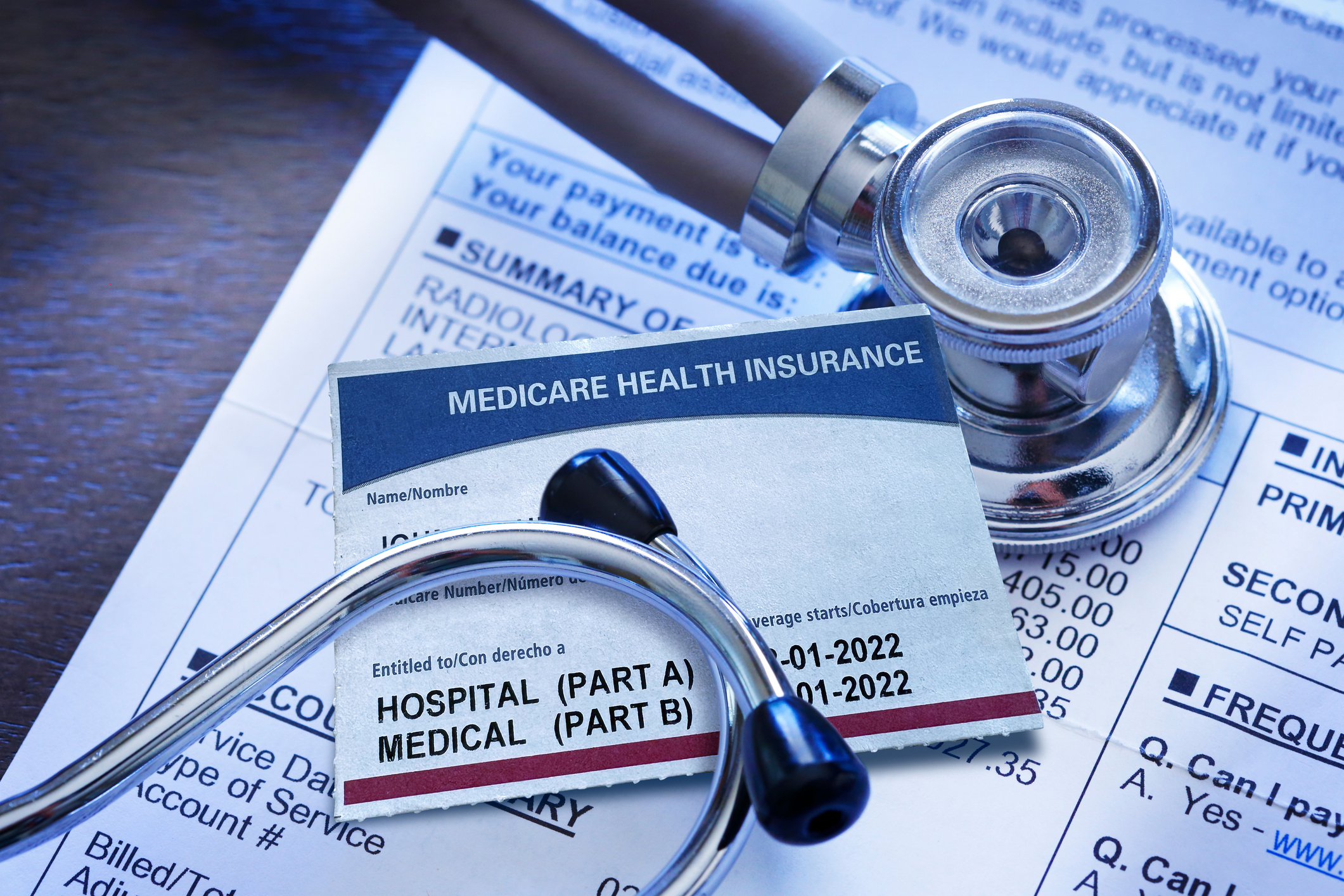
The Medicare scam
Caller offers "free" Medicare-related products: back braces, knee braces, COVID tests, genetic testing, durable medical equipment. They ask for your Medicare number to "process the shipment."
Reality: Medicare does not call to offer products. The "free" products are billed to Medicare at inflated prices, sometimes thousands of dollars per item. Your Medicare number can be used for ongoing fraudulent claims long after the call.
The grandparent scam
Caller says: "Grandma, it's me. I'm in trouble. I've been arrested / had an accident. Please don't tell mom and dad. I need bail money." The voice may sound vaguely like a real grandchild.
Reality: scammers use social media and now AI voice cloning to imitate real family members. The 2026 version of this scam can sound disturbingly authentic. Always hang up and call the person's real number to verify. Or call a parent who could confirm.
The utility shut-off scam
Caller claims to be from the electric, gas, or water company. Says your service will be shut off in one hour unless you pay an overdue balance, usually via gift card or wire.
Reality: utilities don't shut off service on an hour's notice. They send mail, then more mail, then a warning. Hang up and call the utility company directly using the number on your bill.
The tech support scam
Pop-up appears on your computer saying it's infected with a virus, with a phone number to call. Or you get an unsolicited call from "Microsoft" or "Apple" saying there's a problem with your computer.
Reality: Microsoft and Apple do not call customers. The "tech support" wants remote access to your computer to install malware or steal data. Hang up and close the browser tab. If your computer actually has a problem, take it to a local repair shop.
The bank fraud alert scam
Caller claims to be from your bank's fraud department. Says there's a suspicious charge and they need to verify your account details. Often uses caller ID spoofing to display your real bank's name.
Reality: banks will alert you to suspicious charges, but they won't ask for your password, full account number, or PIN over the phone. If you're concerned the call might be real, hang up and call your bank directly using the number on the back of your card.
What to do during a suspected scam call
The 30-second test
If you accidentally answer and you're not sure if it's a scam, ask one question: "What's your name, employee ID, department, and a direct number I can call you back on?" Real employees will provide this. Scammers will hesitate, get defensive, or insist they need to handle it now.
Don't engage
The longer you stay on the call, the more sophisticated the scam can become. Scammers are trained to keep you on the line. They use rapport-building, urgency, and emotional manipulation. Hang up the moment you suspect it's a scam. You're not being rude. You're being safe.
Don't say "yes"
Some scams record your voice saying "yes" and use the recording to authorize charges later. If a caller asks "Can you hear me?" or "Are you the homeowner?" don't answer yes. Say "Who's calling?" or just hang up.
The protection setup
Caller ID and call screening
Most modern phones have built-in scam call filters. On iPhone, go to Settings > Phone > Silence Unknown Callers. On Samsung, Phone app > Settings > Block Numbers > Block calls from unknown numbers. These don't stop every scam, but they cut the volume dramatically.
Call-blocking apps
Hiya, Truecaller, and Robokiller all use crowd-sourced data to identify scam numbers. The basic versions are free. Paid versions ($5 to $10 a month) add more aggressive blocking.
Carrier filtering
Verizon, AT&T, and T-Mobile all offer free spam-call filtering. Verizon's is called Call Filter. AT&T's is ActiveArmor. T-Mobile's is Scam Shield. Enable whichever one your carrier offers. They identify and block known scam numbers automatically.
The Do Not Call Registry
Register your number at donotcall.gov. This won't stop scammers (they ignore the list), but it reduces legitimate telemarketing calls so the scam calls stand out more clearly. Free, takes 30 seconds.
If you've been scammed
First. Don't be embarrassed. Modern scams are sophisticated. Many of the smartest people you know have fallen for them.
Second. Act fast. Report the scam to: your bank or credit card company (so they can reverse charges), the FTC at reportfraud.ftc.gov, and your state attorney general's office. The faster you report, the more likely you can recover funds.
Third. Place a fraud alert on your credit reports with all three credit bureaus (Equifax, Experian, TransUnion). Free, online, takes 10 minutes.
Fourth. Talk to family. If your number got onto a scam list, it's likely to receive more calls. Letting family members know means they can help screen calls and notice unusual patterns.
What to do next
Tonight, enable the scam-call filter on your phone (Settings > Phone). Register at donotcall.gov. Save these three phone numbers in your contacts: your bank's fraud line (back of your debit card), Medicare's official number (1-800-MEDICARE), and Social Security (1-800-772-1213). Now you have real numbers to call back when you're not sure.
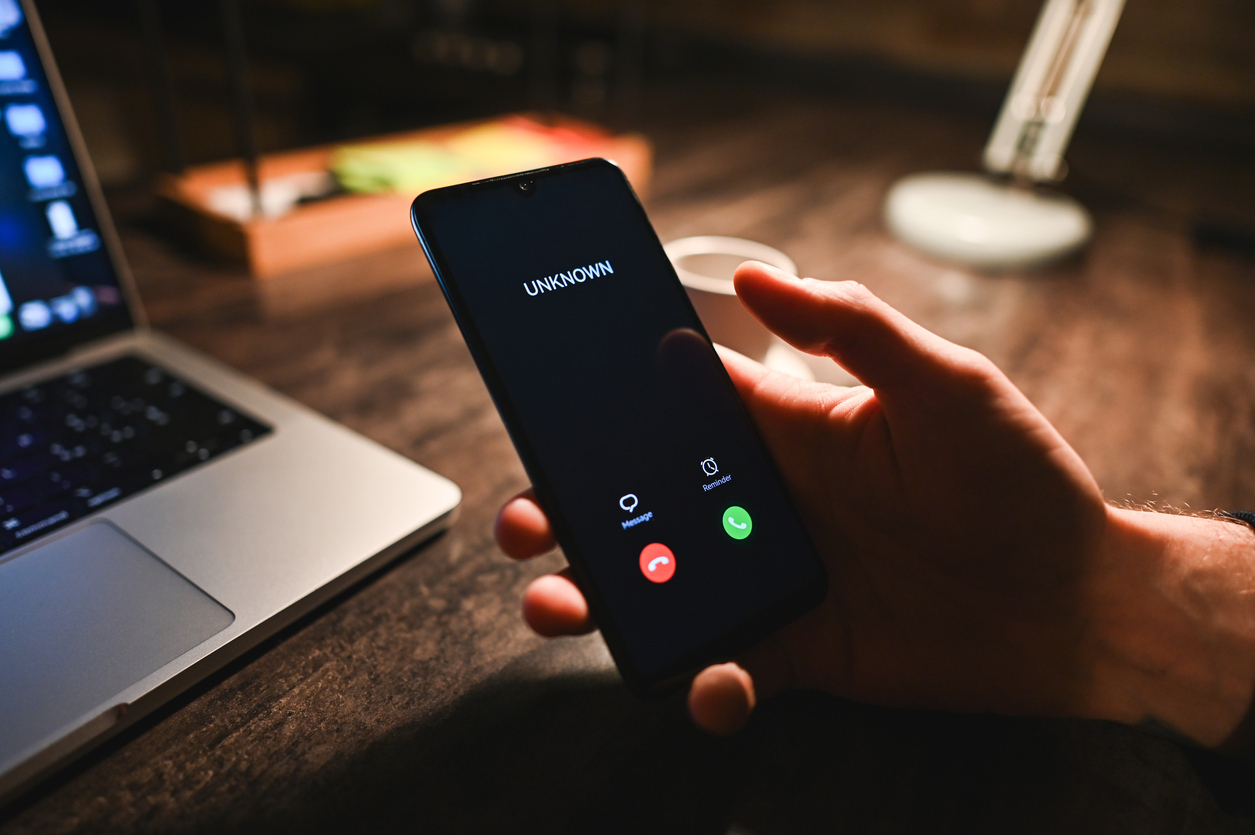
Next time you get an unknown call, the question to ask isn't "Should I answer?" It's "If this is real, will the caller leave a voicemail with a verifiable name and call-back number?" Real callers do. Scammers don't.
Sources
1. FBI Internet Crime Complaint Center, 2023 Elder Fraud Report. ic3.gov/Media/PDF/AnnualReport/2023_IC3ElderFraudReport.pdf
2. Federal Trade Commission, Phone Scam Warning Signs. consumer.ftc.gov/articles/phone-scams
3. AARP Fraud Watch Network, Most Common Scams of 2026. aarp.org/money/scams-fraud
4. Federal Communications Commission, Consumer Guide on Robocalls. fcc.gov/consumers/guides/stop-unwanted-robocalls-and-texts

Get our weekly roundup of smart savings tips.